


Most often, rashes are treated on open areas of the body: on the arms, legs, head and face.The so-called “standby plaques”, which are usually located on the elbows in the back area, are somewhat less interesting.As a rule, these plaques remain in the interim period and cause significantly less stress for the owners.
Complete cleansing of the skin usually indicates stable remission.Sometimes it occurs when the climate changes: sun and sea climates often completely cure all skin manifestations of psoriasis.The question “Is it possible to cure psoriasis forever?”Incidentally, the answer cannot be positive: at best, we can speak of long-term, stable remission.But if your lifestyle changes, you abuse alcohol or experience stress, psoriasis can recur very quickly.However, psoriasis is not only dangerous because of its skin symptoms: psoriasis also affects joints, nails and metabolic disorders.
Basic methods of treating psoriasis.
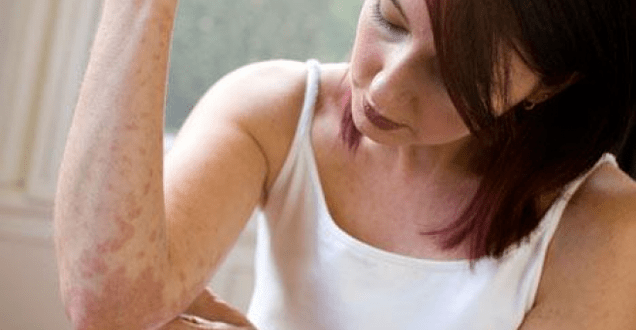
The most important method is phototherapy, i.e. irradiation with light of specific wavelengths.Phototherapy is a modern effective method because it does not involve medication, side effects and does not require hospital treatment.Phototherapy is slightly different from PUVA therapy.In the latter case, a special light-sensitizing medication is taken orally.This allows the skin to receive high doses of ultraviolet radiation.If the patient suffers from chronic liver or kidney disease, such treatment is contraindicated.Of course, phototherapy can also be contraindicated - for example in pregnancy and malignant neoplasms.But typically, narrowband phototherapy is highly effective because:
- The radiation does not penetrate deep into the tissue and only affects the outer layer (epidermis).
- Phototherapy specifically combats plaques, such as:B. Psoriasis on the scalp without exposing the entire person to radiation.
Diet for psoriasis
Without proper nutrition and adherence to an appropriate diet, treatment of psoriasis is impossible.The basic principles of the diet are as follows:
- complete abstinence from alcohol and spirits;
- Exclusion of “carbonated” drinks – cola;
- Exclusion and restriction of red fruits and vegetables – tomatoes, peppers, strawberries;
- Exclusion of products with a high content of “chemicals”: dyes, preservatives and various flavorings;
- Do not consume citrus fruits, chocolate, coffee, and hot and spicy foods.
How to treat psoriasis with folk remedies
One of the most well-known remedies for treating psoriasis is baking soda.Baking soda is known to be able to clean the environment, unlike lemon juice and vinegar which are acidic.However, one of the causes of psoriasis is chronic oxidation of the body's internal environment or the development of a state of metabolic acidosis.Therefore, sodium bicarbonate (or baking soda) is often used for various baths, lotions and compresses.Soda can also be added to the ointment or taken orally.In no case should soda be ash or technical soda.Baking powder has the following properties:
- can soften areas of rash and skin plaques;
- soothes, reduces the manifestations of inflammation, reduces the brightness of the color of plaque;
- can relieve the itching of the skin, soothes;
- is able to restore lymph flow through the capillaries, as well as blood flow in the microcirculation bed of the blood capillaries of the epidermis;
- Sodium bicarbonate can alleviate the “acidification” of the epidermis and promote the excretion of endotoxins.
Treatment methods for psoriasis vary.The main non-hormonal agents are: Preparations containing salicylic acid - a powerful keratolytic.Salicylic or zinc ointment helps:
- Good exfoliation and softening of horny scales.
- Reduces inflammation, has an antiseptic effect.
Preparations containing zinc, more precisely zinc oxide.These ointments soothe the skin, have an antiseptic, drying and astringent effect, can relieve inflammation and at the same time create a protective barrier.It is important that zinc ointment is very inexpensive.
The next proven non-medical folk remedy for the treatment of psoriasis is birch and coal tar.Many people cannot stand its smell, but the therapeutic effect of topical application of tar is very great.Tar is contained in various ointments and medicinal shampoos.The effect of tar is opposite to that of zinc - it can cause local irritation, increase blood circulation in the affected areas and also stimulate skin regeneration.
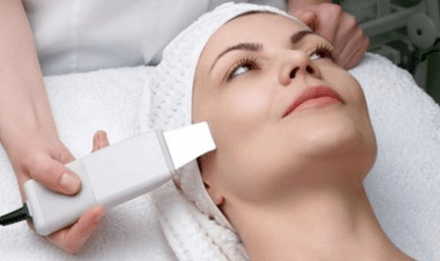
Treatment of psoriasis is incomplete without the use of vitamin creams and ointments, which mainly contain vitamin D, or simply an ointment with vitamin D.The vitamin helps suppress excessive growth or proliferation of keratinocytes, thereby reducing the volume and intensity of skin rashes and scaling.
Petroleum preparations are also often used in the local therapy of psoriasis.Preparations containing purified solid oil have a good therapeutic effect.Solidol is able to normalize vital processes in the cells of the deep layers of the skin - the basement membrane of the epidermis.
However, it is not as important as treating psoriasis as it is important to take timely precautions.Tar and fat preparations can trigger allergies, so skin application or a skin test is necessary first.If you use baking soda internally, be sure to consult a doctor.This is especially true for patients suffering from various chronic gastritis, stomach and duodenal diseases.